-
Feature Displays Without Making a Store Feel Overdesigned
Retailers often want certain products to receive more attention, but there is a fine line between creating a strong feature and making the sales floor feel like a collection of unrelated displays.
The best retail environments usually have a clear hierarchy. Some areas attract attention immediately, while other fixtures quietly handle everyday inventory.
Decide What Deserves the Spotlight
Before adding a feature display, decide why the product needs additional attention.
It could be a new collection, a high-margin item, a limited release, or merchandise that customers tend to overlook. If everything is treated as a feature, nothing really feels special.
A few carefully chosen focal points are usually enough.
Give Important Products Some Separation
Customers need room to actually see what you’re selling.
This is particularly important for products with small details or strong visual appeal. Packing several different products together may increase the amount of inventory on display, but it can reduce the impact of every individual item.
Think about the display from several feet away first. If everything blends together, it probably needs less merchandise and better spacing.
Enclosed Displays Can Create a Clear Focal Point
Open shelving is useful for merchandise customers are expected to pick up and compare. Other products benefit from being separated from the surrounding inventory.
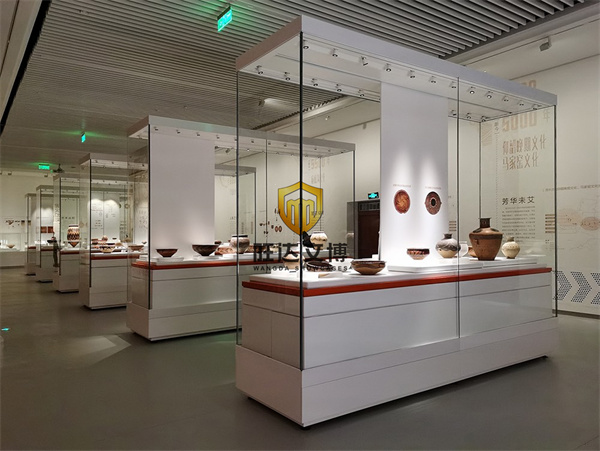
This is one reason retailers sometimes borrow ideas from museums and use museum showcases as inspiration for feature merchandising. The enclosed format creates a defined presentation area and naturally tells customers that the items inside deserve closer attention.
The same principle can work for collectibles, premium goods, specialty products, and limited-edition merchandise.
Don’t Put Every Feature at the Entrance
The entrance is an obvious place for a feature display, but it shouldn’t be the only one.
Consider creating smaller focal points throughout the store. Placing them between departments or near natural stopping points can encourage customers to explore areas they might otherwise walk past.
A store should have reasons to keep moving through it.
Keep the Rest of the Store Simple
Feature displays work partly because everything around them isn’t competing for attention.
If every shelf has bright signage, promotional messaging, and premium displays, customers quickly stop distinguishing between them.
A quieter surrounding area can actually make the featured merchandise more noticeable.
Lighting Makes a Difference
A feature display needs to be visible from normal customer positions.
Check for:
- reflections
- dark areas
- harsh shadows
- glare on glass
This is especially important for enclosed displays. Lighting that looks good from behind the counter may create distracting reflections from the customer side.
Rotate What Gets Featured
A permanent feature eventually becomes background scenery.
Change the products periodically so regular customers have something new to notice. Seasonal merchandise and new arrivals are obvious choices, but slower-moving products can also benefit from a temporary change in presentation.
You don’t necessarily need to change the fixture itself.
Don’t Forget Staff Workflow
Feature displays still have to be cleaned, stocked, and maintained.
If employees have difficulty accessing a display or have to move other fixtures every time they update it, the presentation will eventually become neglected.
A practical display is one that staff can keep looking good without turning maintenance into a project.
Build a Hierarchy, Not a Collection of Attractions
The strongest retail layouts don’t try to impress customers at every step.
They guide attention. A few well-planned feature areas create visual interest while standard shelving and other fixtures handle the majority of the inventory.
That balance keeps the store interesting without making it feel overdesigned.
The Practical Approach
A feature display should have a reason to exist. If you know what you’re highlighting, give it enough space, position it where customers naturally look, and keep the surrounding area relatively calm.
The result is a store where customers can quickly identify what’s important without feeling like every fixture is competing for their attention.